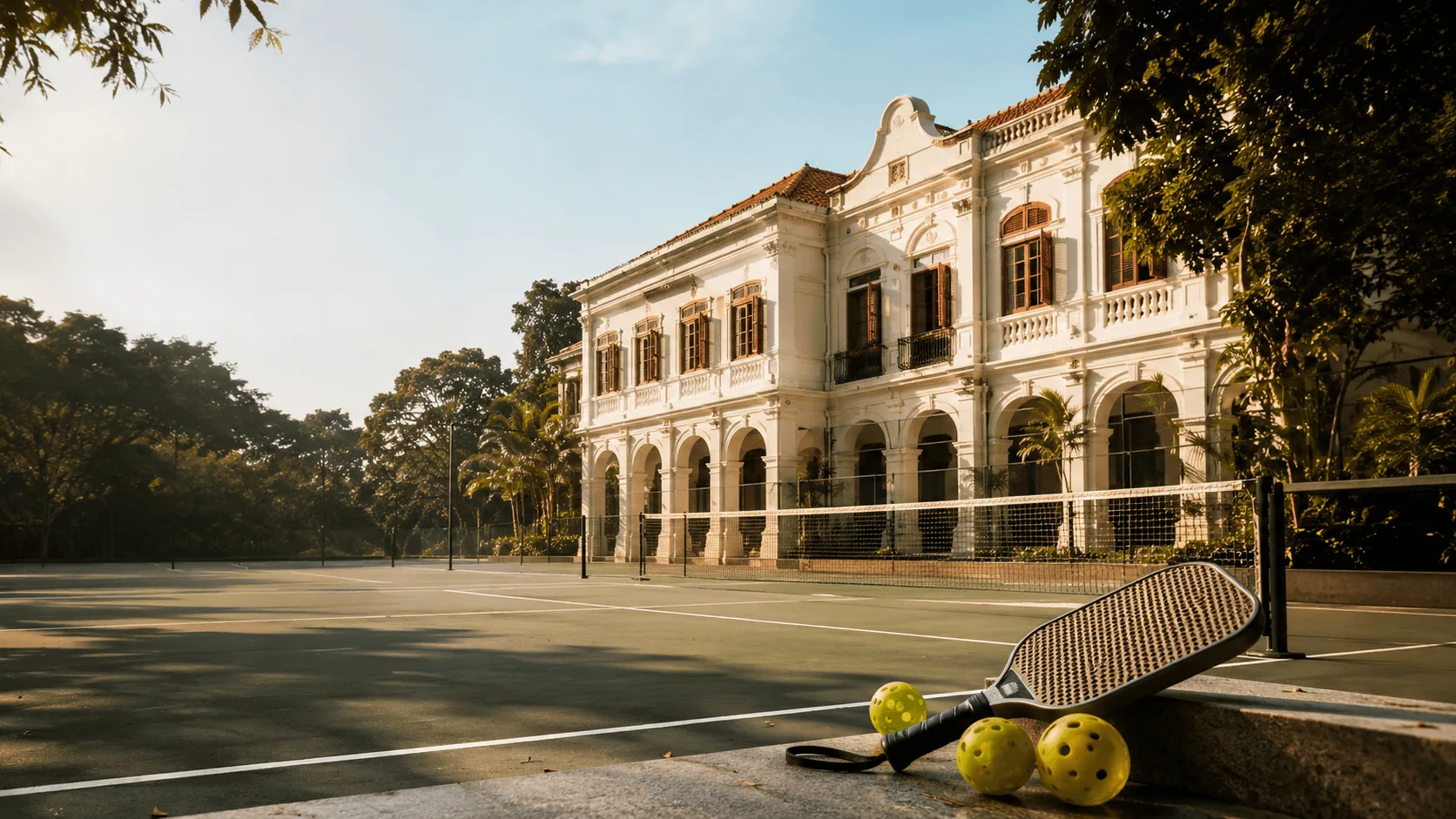
Introduction to Padel Serving
Padel is a unique racquet sport that combines elements of tennis and squash. Serving is one of the most crucial skills in padel, especially for new players. A strong serve sets the tone for the rally and gives you an advantage over your opponent. Understanding the mechanics of a good serve is essential for building confidence and improving overall performance on the court.
This guide will explore various padel serve tips, including techniques, types of serves, and strategies for effective returning. Whether you're just starting or looking to polish your skills, these insights will help elevate your game.
Key Padel Serve Techniques
The foundation of a successful padel serve lies in mastering essential techniques. Here are a few crucial elements to focus on:
Grip and Stance
Your grip greatly influences your ability to serve effectively. The most common grip used in padel is the continental grip, which enables versatility in shot-making. To use this grip, hold the racquet as if you're shaking hands with it, placing your base knuckle on the third bevel of the handle. This grip is ideal for various shots, including serves, volleys, and groundstrokes.
A proper stance is equally important; place your feet shoulder-width apart, with your non-dominant foot slightly ahead for stability. This stance allows you to pivot or step forward effectively during the serve. Make sure to keep your knees slightly bent and your body relaxed to maintain balance.
Ball Placement
Where you position the ball before serving can affect your serve's trajectory and speed. Hold the ball in your non-dominant hand and release it in front of your body at waist height. This position allows for a natural swing and enhances your ability to generate power.
Body Movement
Good body movement during the serve contributes to balance and power. Begin by bending your knees slightly and rotate your hips and shoulders toward the net. As you swing, push off your back foot for additional momentum, allowing your upper body to lead the motion. This fluid movement creates a more powerful serve.
Different Types of Padel Serves
Understanding the various types of serves can help keep your opponents guessing during a match. Here are some basic types of serves new players should practice:
Flat Serve
The flat serve is characterized by minimal spin and maximum speed. This serve is ideal for catching opponents off guard. To execute, focus on hitting the ball at the peak of your toss with your racquet's strings facing the target. This technique can lead to aces if done accurately. However, it requires precise timing and control, as a poorly executed flat serve can easily go out.
Slice Serve
The slice serve involves imparting sidespin to the ball, making it curve away from the opponent. This serve is effective for increasing the difficulty of returns. To perform a slice, brush the ball from the side as you make contact, ensuring your follow-through moves across your body. The slice serve can also create natural angles, pushing your opponent out of position.
Kick Serve
The kick serve adds a vertical component, bouncing higher after hitting the court. This serves best against opponents who struggle with high balls. Strike the ball with an upward motion while brushing the strings to generate topspin. This technique requires practice but can be a powerful weapon in your arsenal. A well-executed kick serve forces opponents to adjust their position, giving you a strategic advantage.
Effective Returning Strategies
Returning a serve is as vital as serving itself. Here are some strategies that can help you return a serve effectively:
Anticipation
A key to effective returns is anticipating the server’s direction. Study your opponent's serving patterns during the match to predict their next move. Position yourself based on these observations, ready to react quickly as the ball approaches. Focus on their toss; for instance, a higher toss may indicate a kick serve, while a flatter toss could mean a flat serve.
Fallback Position
Maintain a fallback position behind the service line, ideally at the shoulder-width stance. This provides you with enough space to move in any direction while maintaining balance. After the serve is hit, pivot on your back foot to make your first move. Be aware of your court positioning; standing too close can make you vulnerable, while being too far back can limit your reaction time.
Types of Returns
There are various ways you can return a serve, and the best one will depend on the serve's type. Soft returns can be effective against strong, flat serves, while aggressive returns can catch your opponent off guard. Practice returning both topspin and slice serves, as each requires different techniques and footwork. Additionally, try experimenting with direct returns down the line versus cross-court returns to see what works best against different opponents.
Common Mistakes to Avoid
Even seasoned players can fall into certain traps, so it's important to be aware of common mistakes:
Overthinking the Serve
New players often overthink their serve, leading to hesitation and timing issues. Instead, focus on your technique and visualize a successful serve. Trust your practice and instincts. Creating a pre-serve routine to follow consistently can help reduce anxiety and improve focus.
Poor Net Awareness
Ignoring your position relative to the net can lead to weak returns or missed chances. Constantly be aware of your surroundings. Positioning yourself correctly can make all the difference when executing your return. If the server is good at hitting deep into the court, adjust accordingly by moving back slightly.
Not Practicing Enough
Your serve and return game will only improve with regular practice. Set aside specific times to refine your techniques, whether on the court or through exercises at home. Enlist a partner for drills to maximize your practice sessions. Make use of your local padel facilities or join group training sessions where you can learn alongside others.
Practicing Your Serve
Building a strong serving technique takes consistent practice. Here are effective methods to improve your serve:
Target Practice
Set targets within the service box to practice accuracy. Challenge yourself to hit different spots consistently, gradually increasing your speed as you develop confidence. You could use cones or other markers as targets during practice sessions. This will help prepare you for match scenarios where precision is key. Over time, try to aim for smaller targets to refine your control.
Video Analysis
Recording your serve can provide insights into your mechanics. Analyze your footwork, grip, and follow-through to identify areas for improvement. Consider sharing with a coach or experienced player for feedback. Watching professional players can also offer a benchmark for technique that you can aim to emulate.
Drills and Partners
Practicing with a partner can enhance your learning experience. Engage in exercises focused on serving and returning to simulate match play. Organize practice matches to get used to the pressures of game play while applying your serve strategies. Drills can create a fun atmosphere while refining your skills, fostering a competitive but friendly environment.
Professional Tips for New Players
Diverse perspectives can enhance your playing style. Here are some expert tips for new padel players:
Stay Positive
A positive attitude will set the tone for your practice and games. Celebrate small victories and learn from mistakes rather than dwelling on them. This mindset will encourage growth and keep you motivated. Reframe negative thoughts into constructive feedback to enhance your learning.
Watch and Learn
Observe professional padel matches to understand advanced techniques and strategies. Pay attention to how players serve and return effectively against different styles. Incorporating these insights can greatly improve your overall gameplay. Take note of how pros handle pressure, as maintaining composure under challenging circumstances is an essential skill for any player.
Ask for Feedback
Regularly seek feedback from knowledgeable players, coaches, or trainers. Constructive criticism can pinpoint specific areas to work on, making the improvement process more targeted and effective. Join padel forums or social media groups to interact with other players, exchange tips, and encourage each other’s development.
Ready to play at Heritage Courts?
Book a pickleball or padel court in George Town, or explore our academy programmes.